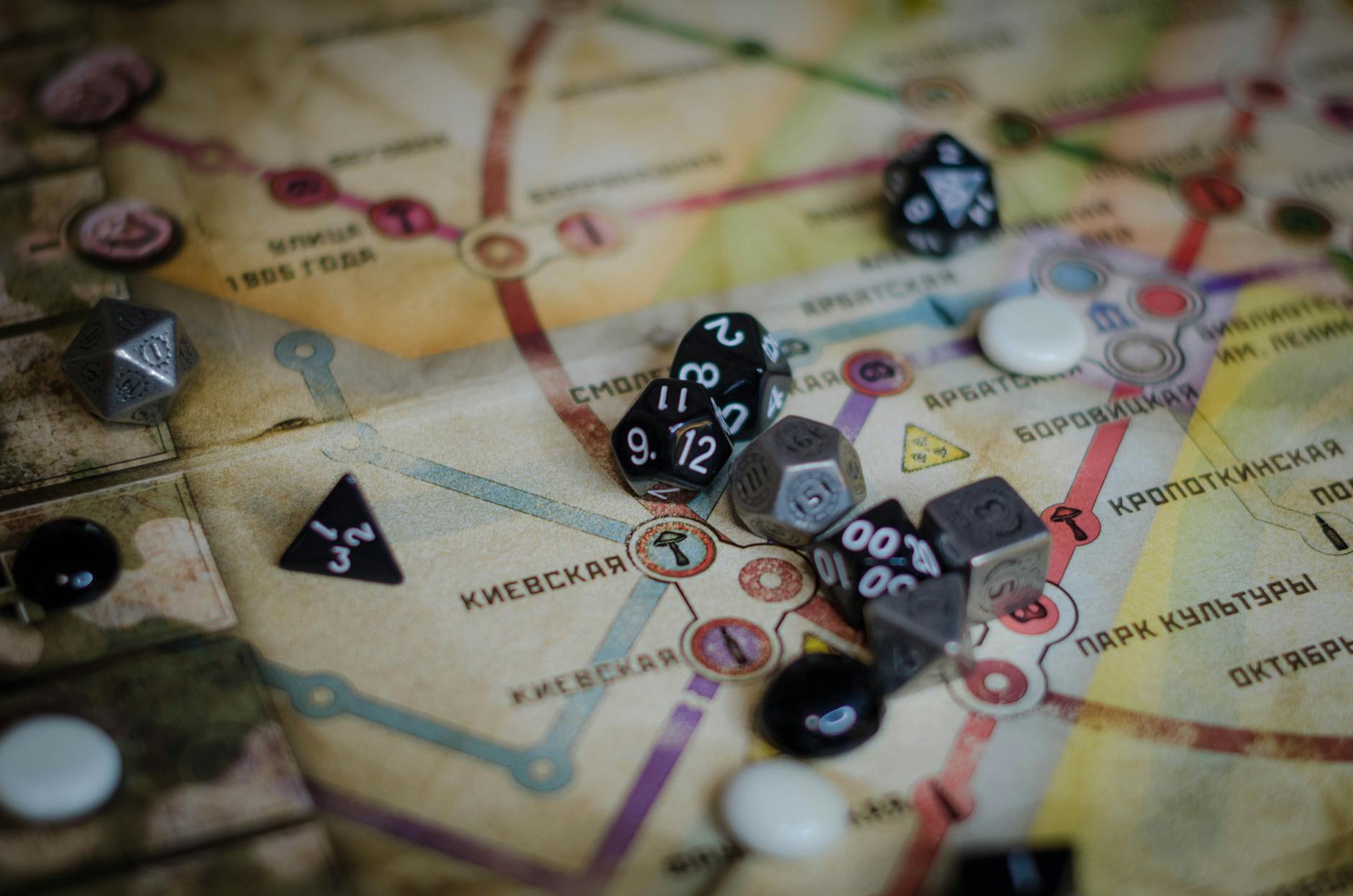
In the realm of RPG games, quest progression is a vital aspect that can greatly enhance the player’s experience. Many players find themselves either overwhelmed by the vast number of quests or confused about how to efficiently progress through them. Understanding the intricacies of quest systems can make a significant difference in a player’s journey through the game world.
This article delves into practical strategies and insights that can help players navigate quests effectively, ensuring they maximize their gaming experience while minimizing frustration.
Know Your Quest Types
RPGs typically feature a variety of quest types, including main story quests, side quests, and repeatable quests. Main story quests are crucial for advancing the narrative, while side quests often provide valuable rewards and lore. Understanding the purpose of each quest type helps players prioritize effectively. For example, completing side quests can sometimes unlock new abilities or items critical for tackling tougher main quests.
Plan Your Route
Many RPGs present vast worlds filled with numerous quest locations. Planning your route can save time and make questing more efficient. Utilize in-game maps to identify clusters of quests in proximity to one another. This approach minimizes travel time and allows players to maximize their productivity. Additionally, some games offer fast travel options that can be unlocked through exploration or by completing specific quests. Take advantage of these features to streamline your questing experience.
Level Up Strategically
Effective quest progression often hinges on the player’s level and abilities. As players progress, they encounter increasingly difficult challenges. It is crucial to monitor your character’s level and adjust your questing strategy accordingly. Engaging in side quests or exploring areas that provide experience points can ease the transition into tougher main quests. Moreover, investing in skills that enhance quest completion, such as increased stealth or negotiation skills, can significantly influence your success.
Interact with NPCs
Non-playable characters (NPCs) in RPGs are not just background elements; they often hold vital information and quest opportunities. Engaging with NPCs can provide hints about hidden quests or valuable lore that enriches the gaming experience. Furthermore, some NPCs may offer unique items or assistance that can aid in quest completion later on. Players should take the time to explore dialogue options and fully interact with the game world.
Keep an Eye on Inventory Management
As players embark on quests, inventory management becomes an essential task. Carrying excess items can hinder progression, leading to tedious inventory management. Players should regularly check their inventory and sell or dismantle items that are no longer useful. Prioritize keeping items that are essential for quests or crafting. This ensures that players are not bogged down while questing, allowing for a more fluid experience.
Utilize Online Resources
Sometimes, despite the best efforts, players may find themselves stuck on a quest. In such cases, online resources such as walkthroughs and forums can provide invaluable assistance. Websites often contain detailed guides on specific quests, including tips and strategies from experienced players. While it’s important to enjoy the journey, seeking guidance when necessary can enhance overall gameplay and prevent frustration.
Experiment with Different Approaches
RPGs often allow for varied approaches to quest completion, whether through combat, stealth, or diplomacy. Experimenting with different strategies not only keeps gameplay fresh but can also reveal unique outcomes based on choices made. For instance, choosing to negotiate rather than fight may lead to different story outcomes or rewards. Embracing this variability enriches the game experience and encourages players to think creatively.
Embrace the Narrative
Lastly, immersing oneself in the narrative can enhance the questing experience. Understanding the backstory and character motivations adds depth to each quest. Taking time to read quest descriptions and engaging with the dialogue can amplify enjoyment and provide context that makes quests feel more meaningful. Players who invest in the story may find themselves more motivated to complete quests and explore the game world.