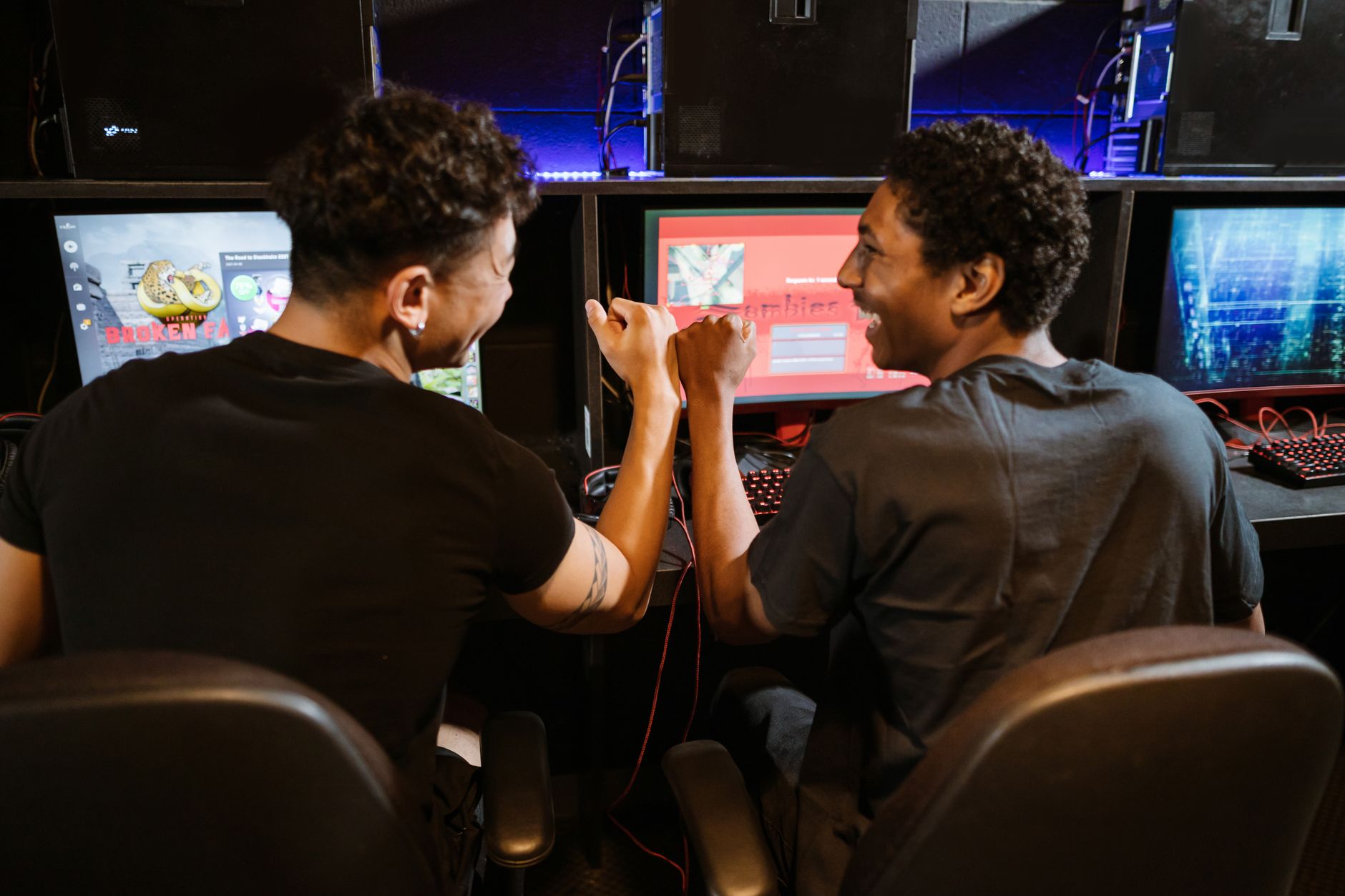
In the realm of multiplayer gaming, success often hinges on how well players can collaborate. Effective teamwork transforms individual skill into a collective advantage, allowing groups to achieve objectives that would be impossible in isolation. This dynamic not only enhances the gaming experience but also fosters a sense of camaraderie among players.
This article delves into actionable strategies that can help teams improve their coordination and performance in multiplayer settings, whether in competitive eSports or casual gaming sessions.
Understanding Team Roles
Every member of a multiplayer team should have a clear role that plays to their strengths. Assigning roles can enhance communication and streamline strategies. For instance, in a first-person shooter, designating players as snipers, support, or front-liners allows each member to focus on their specific tasks. This specialization increases efficiency and mitigates confusion during critical moments.
Communication is Key
Effective communication cannot be overstated. Utilizing voice chat or in-game messaging systems helps ensure that all players are on the same page. For example, a player who spots an enemy should immediately relay that information to teammates, along with the enemy’s position and status. Establishing a system of callouts-short phrases that convey essential information-can expedite this process significantly.
Practice Makes Perfect
Regular practice sessions can build synergy among team members. Much like traditional sports, the more time players spend working together, the better they understand each other’s play styles. This familiarity enables teams to develop advanced tactics, such as coordinated attacks or defensive formations, which can give them an edge over opponents.
Adaptability and Strategy Adjustment
Flexibility is crucial in multiplayer environments. Teams should regularly assess their strategies and adjust them based on opponents’ movements and tactics. For instance, if a team consistently fails to capture a point in a game, they may need to rethink their approach-whether that means changing personnel roles or adopting a different formation. Being adaptable can turn the tide in challenging matches.
Building Trust and Team Morale
Fostering a positive team environment can significantly impact performance. Encouragement and constructive feedback help develop trust among members, allowing for more effective collaboration. When players feel supported, they are more likely to take calculated risks during gameplay, leading to potentially game-changing moments.
Utilizing Game Mechanics Effectively
Understanding and leveraging game mechanics can provide a tactical advantage. For example, in games with specific abilities or power-ups, teams should coordinate their use to maximize impact. If one player has a healing ability, timing its activation during intense encounters can be crucial for survival and overall team success.
Regular Review and Feedback Loops
After each game, holding a debrief session can be beneficial. Teams should discuss what strategies worked, what didn’t, and areas for improvement. This reflective practice not only enhances future performance but also helps in setting joint goals, which can keep the team motivated and focused.
Leveraging Technology and Tools
There are numerous applications and tools designed to enhance teamwork in multiplayer games. Platforms like Discord or TeamSpeak allow for seamless communication, while tools like Mumble provide additional features such as low-latency voice chat. Utilizing these resources can improve coordination and reduce miscommunication.
Understanding Opponent Strategies
Lastly, studying opponents can provide insights that enhance game strategy. By observing common tactics used by rival teams, players can prepare counter-strategies. For example, if a rival frequently uses flanking maneuvers, a team can develop defensive formations to anticipate and counter those moves.
In summary, effective teamwork in multiplayer games is a multifaceted endeavor that requires clear roles, strong communication, adaptability, and continuous evaluation. By implementing these strategies, teams can enhance their chances of success, fostering not just victories but also lasting friendships.